
Ingrown Toenails: When Home Care Stops Working
Ingrown toenails are among the most frequently treated conditions in podiatric medicine, and while many cases resolve with proper at-home care
Read More
--(3-x-1-in).jpg)
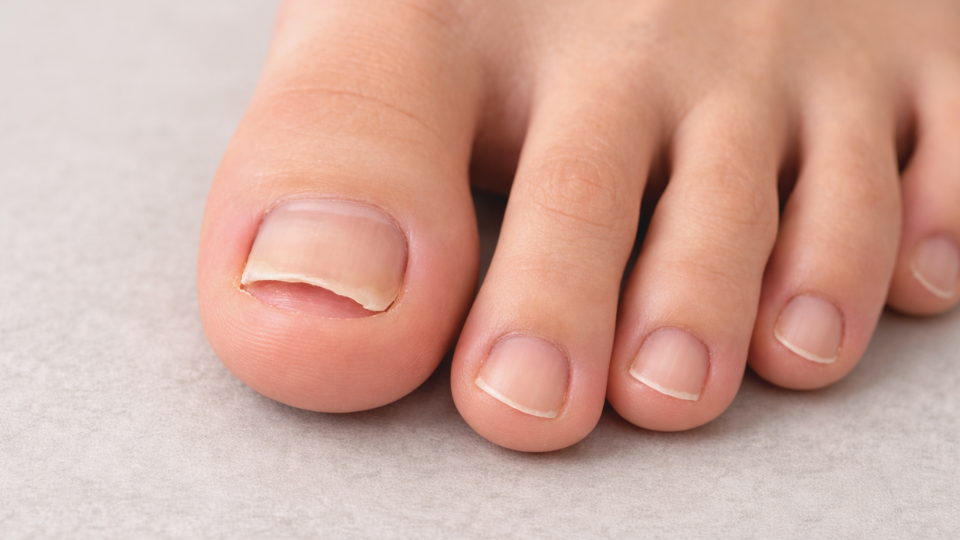


Losing a toenail without discomfort can feel unexpected. When separation happens gradually, there may be little or no pain involved. In many cases, the explanation behind why my toenail fell off without pain lies in how slowly the nail detached from the underlying nail bed.
Although trauma is a common cause, fungal infections, repetitive pressure, circulation concerns, and certain medical conditions can also contribute to the problem. Understanding the mechanism behind nail loss helps determine whether simple care is appropriate, or professional evaluation is necessary.
Understanding what causes toenails to fall off helps clarify why detachment can occur even when discomfort is minimal.
Even minor injuries can weaken the nail’s attachment. A stubbed toe, dropped object, or sports-related impact may cause bleeding beneath the nail. The painful phase typically occurs at the time of injury. Over the following weeks, as the damaged nail slowly separates, tenderness often resolves before the nail fully sheds.
Repeated microtrauma from running or prolonged walking can have a similar effect.
A fungal infection is a frequent cause of nail changes and may lead to a toe nail falling off over time. Fungal organisms gradually thicken, discolor, and weaken the nail plate. As separation progresses in a process known as onycholysis, the nail may detach without significant discomfort.
Because this condition develops slowly, it often goes unnoticed until the nail becomes loose.
Shoes with narrow toe boxes can repeatedly compress the toes and nail plate. Chronic pressure may disrupt the nail’s attachment and compromise blood flow to the area. Over time, this gradual mechanical stress can cause separation without acute pain.
Athletes and individuals who spend long hours standing are particularly susceptible.
Certain systemic conditions affect nail health. Questions about why my toenails are falling off without a clear injury may be linked to circulation concerns, diabetes, thyroid disorders, or peripheral neuropathy.
Reduced blood flow can weaken the nail matrix, while decreased sensation may limit awareness of early changes.
Psoriasis and other dermatologic conditions can affect the nail structure. Thickening, pitting, crumbling, and separation from the nail bed may occur gradually. Over time, the nail may loosen and shed with little discomfort.
The nail plate itself does not contain nerve endings. When separation happens slowly, sensation may be minimal. In traumatic cases, pain usually occurs at the moment of impact, not when the nail eventually detaches.
Gradual fungal infection, chronic pressure, or systemic conditions may also explain why did my toenail fall off without pain. In individuals with reduced sensation due to neuropathy, nail changes may progress without noticeable discomfort.
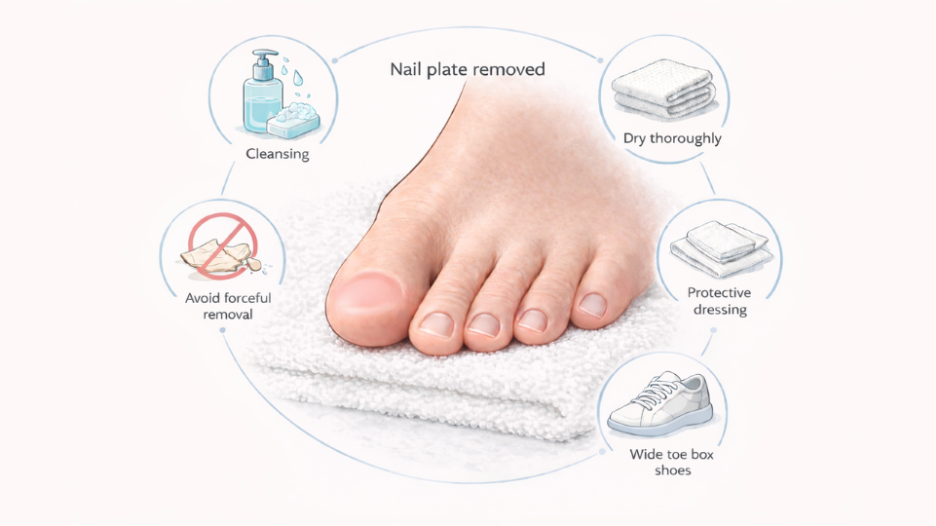
Protecting the exposed nail bed helps prevent irritation or infection. If a toenail detaches, these steps may help support proper healing:
Toenail regrowth typically takes 9 to 12 months. The big toe may require a longer recovery period. If the nail matrix was damaged, regrowth may appear thickened or irregular.
Recurring nail loss often indicates an unresolved underlying issue rather than a one-time event. Common contributing factors include chronic fungal infection, structural toe deformities, persistent pressure from footwear, or untreated circulation problems.
Without addressing the underlying cause, the nail may continue to weaken and detach over time. Identifying and correcting the source is essential to prevent repeated separation and support healthy regrowth.
Preventive care supports long-term nail health. Key strategies include:
Routine professional care can also reduce complications. Learn more about our professional toenail care services to support long-term nail health.
While many cases are not emergencies, certain symptoms should not be ignored:
Patients with diabetes or circulation issues should seek evaluation sooner rather than later to prevent complications.
Gradual nail separation can occur for several reasons, and painless nail loss does not always mean the issue is minor. Identifying the cause helps protect the nail bed and prevent future problems.
If nail changes persist, worsen, or raise concern, professional evaluation can provide clarity and guidance. Foot & Ankle Specialists of The Woodlands serves patients throughout The Woodlands, Huntsville, and the greater Houston area with comprehensive evaluation and treatment options. You can explore our locations or book an appointment online to receive personalized care focused on protecting long-term nail and foot health.
Ingrown toenails are among the most frequently treated conditions in podiatric medicine, and while many cases resolve with proper at-home care

Learn to recognize the symptoms of an infected foot, key warning signs to watch for, and when to see a podiatrist for safe and effective treatment.