
Ingrown Toenails: When Home Care Stops Working
Ingrown toenails are among the most frequently treated conditions in podiatric medicine, and while many cases resolve with proper at-home care
Read More
--(3-x-1-in).jpg)


Neuropathy can lead to symptoms like numbness, tingling, and burning sensations in the feet, affecting comfort and mobility. Because of this, many people turn to foot massage for neuropathy as a way to relieve discomfort.
While massage may offer temporary relief, it is important to understand its role within a broader care plan. Knowing what it can and cannot do helps ensure symptoms are managed safely and effectively.
Peripheral neuropathy occurs when the nerves outside the brain and spinal cord become damaged. This condition is most commonly associated with diabetes, but it can also be linked to poor circulation, injuries, certain medications, and other underlying health conditions.
The feet are often the first area affected because they are supplied by the longest nerves in the body. When these nerves are damaged, signals between the brain and the feet are disrupted, leading to numbness, tingling, burning pain, or reduced sensation.
Massage is often used as a supportive approach to relieve discomfort, particularly when evaluating whether massage will help neuropathy symptoms. In some cases, it may provide temporary relief for certain individuals, especially when used carefully and as part of a broader care plan guided by a healthcare professional.
Gentle massage can stimulate blood flow in the feet, which may help deliver oxygen and nutrients to surrounding tissues. Improved circulation can contribute to short-term comfort, but it should be done cautiously and ideally under professional guidance.
Massage can activate sensory receptors in the skin, which may help reduce the perception of pain signals. While massaging feet help neuropathy in this way, the relief is typically temporary and does not address the underlying nerve damage.
Massage may help reduce stress and improve overall comfort, which can be beneficial for patients managing ongoing symptoms. Techniques should remain gentle and appropriate for sensitive or compromised tissue.
Foot massage can play a supportive role in managing neuropathy symptoms, but it is important to have realistic expectations.
Massage may:
However, it does not:
For this reason, massage for neuropathy is best used as part of a broader care plan guided by a medical professional.
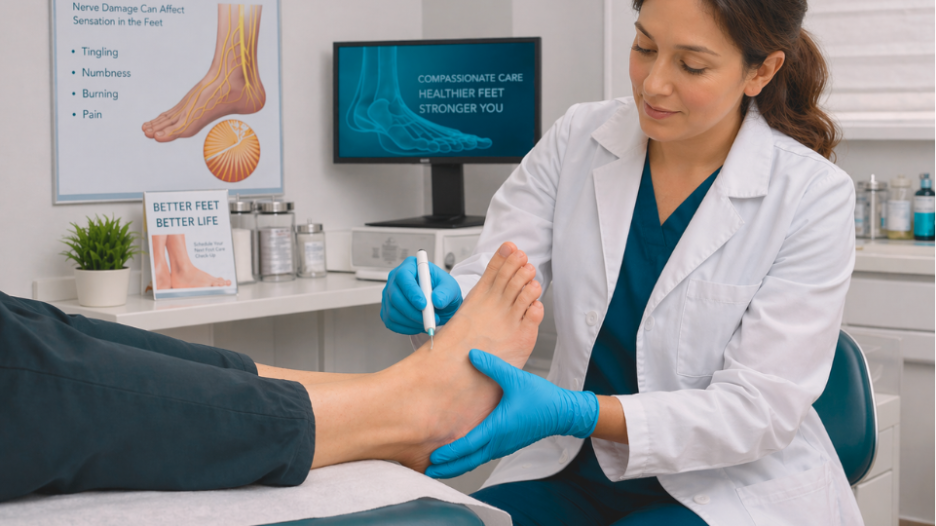
In some cases, massage may not be appropriate and could increase the risk of complications.
Use caution or avoid massage if:
Reduced sensation is especially important, as it may prevent a person from feeling excessive pressure or injury during massage. A professional evaluation can help determine whether massage is safe for each individual situation.
Managing neuropathy effectively requires a comprehensive approach that focuses on identifying the underlying cause, reducing symptoms, and protecting long-term foot health. This may include a combination of medical care, monitoring, and supportive strategies such as:
Neuropathy symptoms should be evaluated when they begin to progress, interfere with daily life, or increase the risk of complications. Early care can help prevent more serious issues and support better long-term outcomes, especially in situations such as:
Early evaluation helps identify the cause of symptoms and ensures safe, effective care for long-term foot health. Patients can explore available neuropathy treatment options to better understand their care plan.
Foot massage can help improve comfort and provide temporary relief from symptoms like tingling or burning. However, it does not treat the underlying cause of neuropathy and should be used carefully, especially in individuals with reduced sensation or existing foot conditions. For this reason, it is important that both massage techniques and overall treatment approaches are guided by a qualified specialist to ensure safety and long-term effectiveness.
For patients experiencing ongoing symptoms, the team at Foot & Ankle Specialists of The Woodlands provides comprehensive evaluation and personalized care throughout The Woodlands, Memorial City, and Huntsville. You can explore our locations or book an appointment online to receive expert guidance and support for long-term foot health.
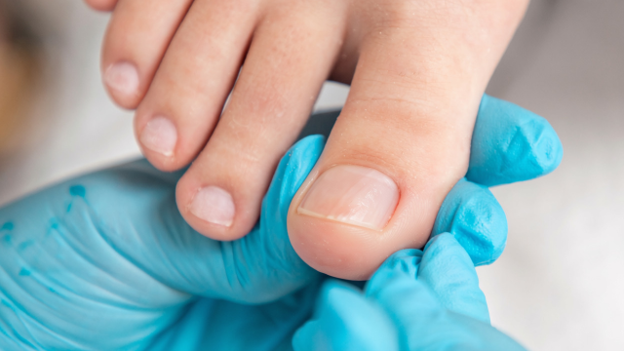
Ingrown toenails are among the most frequently treated conditions in podiatric medicine, and while many cases resolve with proper at-home care
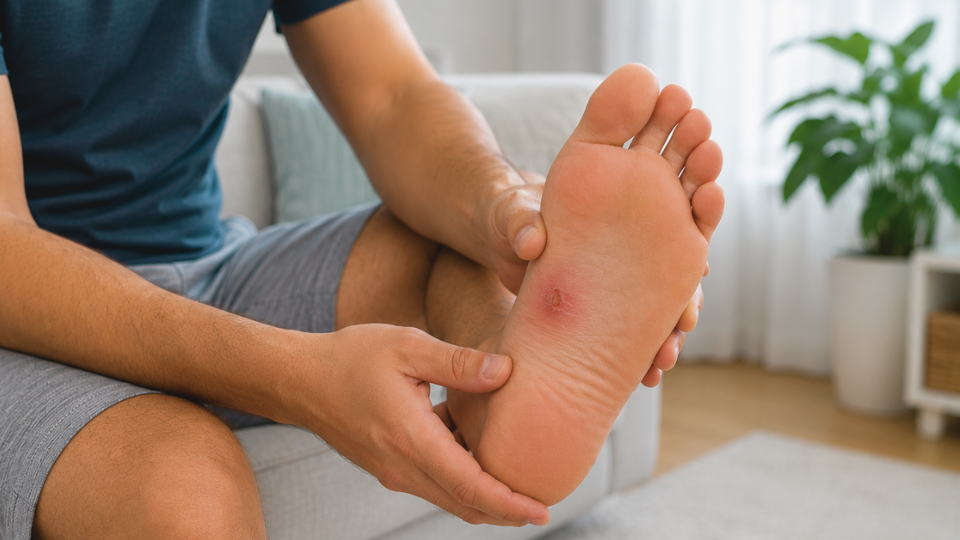
Learn to recognize the symptoms of an infected foot, key warning signs to watch for, and when to see a podiatrist for safe and effective treatment.