
Ingrown Toenails: When Home Care Stops Working
Ingrown toenails are among the most frequently treated conditions in podiatric medicine, and while many cases resolve with proper at-home care
Read More
--(3-x-1-in).jpg)
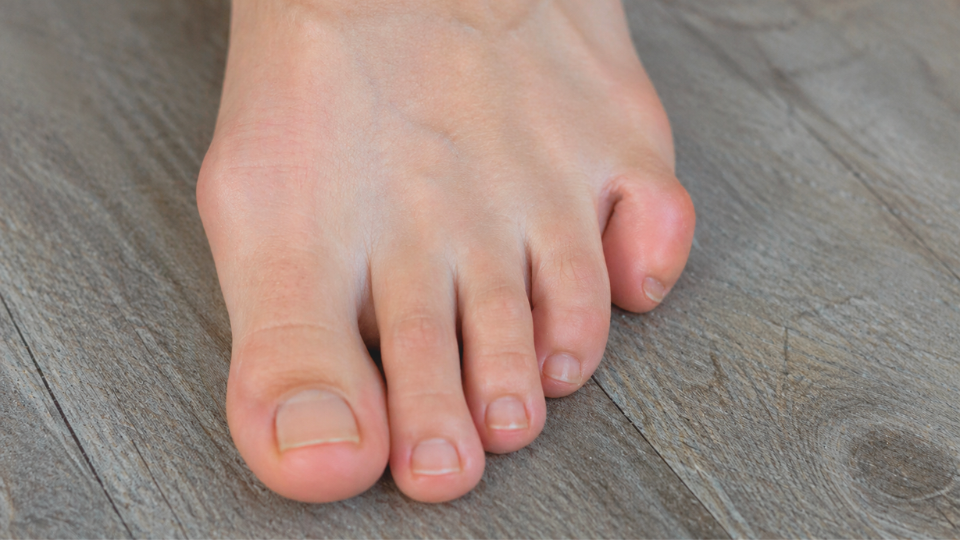


A pinky toe that shifts out of position can be noticeable, especially when it begins to turn outward or sit at an unusual angle. In many cases, why is my pinky toe sideways relates to pressure, structural changes, or gradual alignment issues that develop over time.
This condition is often influenced by footwear, foot mechanics, or underlying deformities. Understanding the cause helps determine whether it is simply a positional change or something that may require treatment to prevent progression and discomfort.
A sideways pinky toe refers to a position where the fifth toe rotates, tilts, or shifts out of its normal alignment. It may angle inward toward the fourth toe, turn outward, or even tuck slightly underneath neighboring toes.
This positioning can range from mild to more pronounced. While some people experience no discomfort, others may notice irritation, pressure, or changes in how their foot functions in shoes.
Several factors can contribute to this condition, often working together over time.
Shoes with narrow toe boxes or high heels place repeated pressure on the toes. Over time, this can push the smallest toe out of alignment, especially when the pinky toe turns outward due to crowding.
Conditions like hammertoe can cause the toe to bend or rotate abnormally. These structural changes often progress if not addressed early. In these cases, exploring hammertoe treatment options can help improve alignment and reduce discomfort.
Changes in the front of the foot, including bunions, can shift overall alignment and crowd the smaller toes. This pressure can gradually lead to a sideways pinky toe, especially when the foot no longer distributes weight evenly. Learn more about bunion care and correction to understand how these conditions may be connected.
Some people are naturally more prone to toe misalignment due to inherited foot shape or joint structure. This can explain why some individuals notice their little toe sideways even without obvious external pressure.
Imbalances in the tendons and small muscles of the foot can gradually pull the toe out of position. Over time, this can lead to a pinky toe turned outward or rotated.
Not all cases require treatment, but symptoms can develop as the condition progresses.
Common signs include:
When these symptoms appear, it may indicate that the alignment is affecting both comfort and foot function.
Conservative care is often the first step in managing this condition, particularly in early or moderate cases. These approaches are most effective when guided by a specialist, who can evaluate the underlying cause and recommend appropriate care.
Common options may include:
These strategies aim to reduce discomfort, improve positioning, and slow progression of sideways pinky toes.
If conservative treatments do not provide relief, or if the deformity becomes more severe, surgical options may be considered. The goal of surgery is to restore alignment and improve function.
Procedures may include:
Surgical care is typically recommended when pain persists or when the condition interferes with daily activities.

Early attention can help prevent the condition from worsening. In many cases, why do my pinky toes lay sideways relates to long-term pressure, footwear choices, and gradual changes in foot alignment over time.
Helpful strategies include:
While mild cases may not require immediate care, certain signs should not be ignored. A professional evaluation can help determine the cause and prevent further complications.
You should consider seeking care if you notice:
A sideways pinky toe is a common condition that can often be managed effectively with the right approach. Identifying the cause early and addressing pressure or alignment issues can help prevent progression and improve overall comfort.
For patients experiencing ongoing symptoms, the team at Foot & Ankle Specialists of The Woodlands provides comprehensive evaluation and personalized care across The Woodlands, Houston, and Huntsville. You can book an appointment online to receive expert guidance and support for long-term foot health.

Ingrown toenails are among the most frequently treated conditions in podiatric medicine, and while many cases resolve with proper at-home care

Learn to recognize the symptoms of an infected foot, key warning signs to watch for, and when to see a podiatrist for safe and effective treatment.