
Ingrown Toenails: When Home Care Stops Working
Ingrown toenails are among the most frequently treated conditions in podiatric medicine, and while many cases resolve with proper at-home care
Read More
--(3-x-1-in).jpg)


Bunions don’t develop overnight. They form gradually as pressure builds on the big toe joint, often going unnoticed in the early stages. What may begin as mild discomfort or slight misalignment can progress into a visible bump that affects how you walk, stand, and wear shoes. Understanding how to prevent bunions starts with recognizing how they develop and what factors increase your risk.
While some people are more predisposed due to genetics, daily habits, especially footwear choices, play a significant role. The good news is that early awareness and simple adjustments can help reduce your risk and protect your long-term foot health.
A bunion, or hallux valgus, is a structural deformity of the big toe joint. It occurs when the big toe gradually shifts inward toward the second toe, causing the joint at its base to protrude outward. Over time, this misalignment can lead to inflammation, stiffness, and pain.
To better understand prevention, it helps to know how people get bunions in the first place. Bunions develop because of repeated pressure and joint instability. As the big toe is pushed out of alignment, the surrounding tissues adapt to this position, reinforcing the deformity. This process is often slow, which is why early signs can be easy to overlook.
Bunions typically develop from a combination of structural and external factors.
A common question is whether bunions are hereditary. In many cases, they are. While you don’t inherit a bunion itself, you may inherit foot mechanics, such as flat feet or unstable joints, that increase your likelihood of developing one.
Wearing tight or narrow shoes is one of the most common contributors. High heels and pointed toe boxes place added pressure on the forefoot, gradually pushing the big toe out of alignment. Over time, this repeated stress can accelerate bunion formation. Wearing improperly fitted shoes can further increase the risk, especially when done consistently. Learn more about what happens when your shoes are too small.
Abnormal gait patterns, such as overpronation, can place uneven pressure on the big toe joint. This imbalance contributes to long-term structural changes.
Conditions like arthritis can weaken joint stability and make bunions more likely to develop or worsen.
Certain factors increase the likelihood of developing bunions:
Recognizing early symptoms is key to prevention:

If you’re looking for ways to avoid getting bunions, there are effective steps you can take to reduce your risk and protect your foot health.
Selecting the right shoes is one of the most important steps. Look for footwear with a wide toe box that allows your toes to rest naturally. Avoid tight or pointed styles that compress the forefoot, as this is a key factor in how people get bunions.
Orthotics can help improve alignment and distribute pressure more evenly. By stabilizing the foot, they reduce strain on the big toe joint and support healthier movement patterns.
Exercises that strengthen the muscles in your feet and improve flexibility can enhance joint stability. This can play an important role in preventing structural changes over time.
Small changes in alignment or discomfort should not be ignored. Acting early is one of the most effective ways to avoid bunions getting worse and maintain proper foot function.
Limiting repetitive stress on the forefoot, such as prolonged use of restrictive shoes, can help protect the joint. Rotating footwear and allowing your feet time to recover can also make a difference.
Some individuals consider using supportive devices like bunion correctors, although results can vary depending on the severity of the condition. Learn more about bunion correctors and treatment options.
If bunions begin to affect your comfort or mobility, professional evaluation can help prevent further progression. You should consider seeing a podiatrist if you experience:
Early care can help you explore treatment options before the condition becomes more advanced.
Bunions develop gradually, but the right steps can help protect your feet over time. By understanding what causes bunions and making thoughtful choices, especially when it comes to footwear, you can reduce your risk and maintain better foot health.
If you’re noticing early signs or want guidance on how to avoid bunions, the team at Foot & Ankle Specialists of The Woodlands provides personalized care throughout The Woodlands, Huntsville, and the greater Houston area. You can explore our clinic locations or book an appointment online.
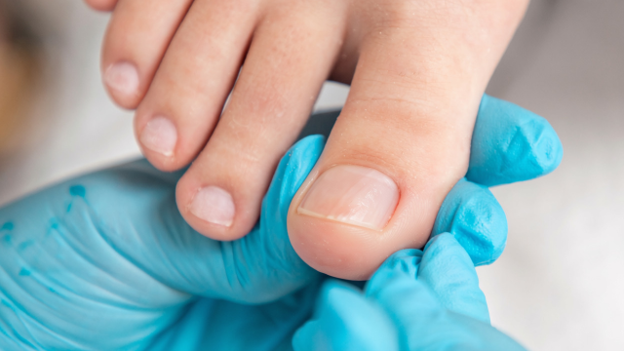
Ingrown toenails are among the most frequently treated conditions in podiatric medicine, and while many cases resolve with proper at-home care

Learn to recognize the symptoms of an infected foot, key warning signs to watch for, and when to see a podiatrist for safe and effective treatment.